


ISSN : 0976-996X
EISSN : 0976-9978



FRANCIOSINI M.P.1*, TACCONI G.2, LEONARDI L.3
1Department of Biopathological Science, Hygiene of Animal and Food Productions, Faculty of Veterinary Medicine, Via San Costanzo, 4-06126, Perugia, Italy.
2Department of Biopathological Science, Hygiene of Animal and Food Productions, Faculty of Veterinary Medicine, Via San Costanzo, 4-06126, Perugia, Italy.
3Department of Biopathological Science, Hygiene of Animal and Food Productions, Faculty of Veterinary Medicine, Via San Costanzo, 4-06126, Perugia, Italy.
* Corresponding Author : mariapia.franciosini@unipg.it
Received : 16-09-2012 Accepted : 25-10-2012 Published : 29-10-2012
Volume : 3 Issue : 1 Pages : 60 - 66
Vet Sci Res 3.1 (2012):60-66
DOI : http://dx.doi.org/10.9735/0976-996X.3.1.60-66
Conflict of Interest : None declared
The ascites syndrome (AS), also known as Pulmonary Hypertension Syndrome (PHS), can be a major problem in the poultry industry, especially in the case of poor-managed flocks. It is commonly accepted that AS/PHS is caused by increased pulmonary blood flow or increased resistance to flow in the lung. This condition may produce right ventricular hypertrophy (RVH), valvular insufficiency, increased systemic venous pressure and in the latest stages ascites. Interactions among genetic, environmental and dietary factors play a basic role in the determinism of AS/PHS. Interventions should be aimed at slowing down the body growth as the high metabolic rate is a major factor contributing to the susceptibility of broilers to ascites. In this light is particularly important the choice of a diet appropriate to growing period associated with genetic selection addressed to achieve high weight gain without increasing the incidence of AS/PHS.
Broiler chickens, pulmonary hypertension, right ventricular failure, ascites, management, genetic, diet, growth rate.
The Ascites Syndrome (AS) or Pulmonary Hypertension (PH) Syndrome has been major problems in the poultry industry. The terms PHS, firstly used by Huchzermeyer and de Ruyck [44] , and AS have been used to describe ascites caused by PH [57] . Julian and Wilson [49] recognized that AS/PHS at low altitude was produced by PH resulting in right ventricular hypertrophy (RVH), followed by to right ventricular failure (RVF) and ascites. Singh, et al. [96] included AS/PHS among the multi-faceted pathologies resulting from breeding programs aimed at excessive promotion of growth and food conversion efficiency without taking into consideration bird welfare. Currently the interactions among genetics, environment and management seem to have a primary role in producing AS/PHS since their actions converge in causing an increase of oxygen requirement, thereby force the heart to increase its cardiac output [111] . Hypoxia results in hypoxaemia, responsible for polycythaemia and increased blood viscosity that causes a greater cardiac effort and a further increase of pulmonary pressure [15,45,73] . Subsequent hypertrophy of the right ventricle produces atrio-ventricular valve insufficiency and congestive heart failure, and in the latest stages ascites. In fast growing chickens PH may be a consequence of insufficient space for the increased blood flow through the lung, required to supply the organs and tissues with oxygen [53,57] ; indeed the pulmonary vasculature of broilers lacks functional elasticity and is insufficient at a normal cardiac output [106,108,109,112] . Broiler cannot manage the rapidly increasing cardiac output possessing a limited pulmonary vascular capability and develop pulmonary arterial hypertension (PAH). PAH triggers hypertrophy of the right ventricular wall [53] as well as of the muscle layers within the smallest precapillary arterioles [31,83,112] . The following reviews the clinical symptoms, gross lesions and histopathological and ultrastructural changes related to AS/PHS. Anatomical and physiological characteristics as well as management factors that predispose chickens to the onset of this syndrome are also reviewed.
In the acute form of PHS clinical signs are not obvious, and the subject may come to a sudden death, when handled because of lung oedema secondary to PH [57] . They frequently die on their back Symptoms are visible when right heart failure (RHF) occurs, causing fluid collection in coelomic cavity. Chickens develop poorly and have distended abdomens. Panting, due to physical restriction of the large abdominal air sacs, is often observed and gurgling sounds often accompany the panting. Cyanosis especially around the comb and wattles is visible. If the birds survive until the time of processing, the carcasses are often condemned.
There are significant changes in the blood of broilers suffering from AS/PHS with RHF. Blood viscosity may increase because of polycythaemia [71] . Packed cell volume (PCV), hemoglobin (Hb) content, red (Rbc) and white blood cell (Wbc) counts are raised. Polycythaemia may result from an increase in erythropoietin production, occurring under low oxygen supply and demand [63] . Heterophils and monocytes are also increased at the expense of the lymphocyte population [63] . Hypoalbuminaemia likely correlated to liver damage is also found [18,19,63] . An increase in the value of urea may be noticed but it is not always accompanied by variation of creatinine blood level [21] . This condition can be related to the low systemic pressure that would stimulate fluid retention by the kidney and increase blood volume [53] Skadhauge and Schmidt-Nielsen [97] stated that hyperuraemia in dehydrated chickens may also be related to re-absorption at the level of renal tubules, condition that at times occurs in AS/PHS. Maxwell, et al. [68] evidenced an increase of the lactate dehydrogenase in the hearts of hypoxic and ascitic birds indicating reduced oxygen utilization, as demonstrated in other animals [40] .
In the acute form of PHS the necropsy notices the presence of RHV. The gross lesions depend on how long bird survive in RVF [57] . If they survive several days, they develop ascites, often characterized by an abundant collection of yellowish clear liquid with presence of fibrin clots [Fig-1] , adherent to the liver serosa [63,114] . In the early stages of the AS/PHS the liver increases in volume showing a nutmeg appearance then it is reduced in size, shrunken and mottled, covered by fibrin clots [Fig-2] .
The heart undergoes right-side cardiac enlargement, often associated with left-side ventricular dilatation [76] . Hydropericardium can be present [Fig-3] . The RV:TV ratio is increased in affected chickens [114] Several authors described the presence of nodular thickening of atrioventricular valves [39,77] . The lungs are congested and edematous. The intestines and the kidneys are also congested following the early chronic passive congestion [63,94] .
The liver presents necrosis of hepatocytes and dilatation of sinusoids [Fig-4] , often associated with fibrosis of the capsule. In the later stages proliferation of the interstitial stroma is seen. Degeneration of myocardial fibers, interstitial edema and proliferation of connective tissue with focal hemorrhages and infiltration of heterophils are observed [Fig-5] , in agreement with what has been described by Hall and Machicao [39] and Maxwell, et al. [63] . The lungs are hyperemic and edematous and collapse of the atria and air capillaries are observed. In our studies [21] cartilaginous and osseous nodules were not visible, contrary to what has been described by others [66,75] . These structures could follow a process of metaplasia of lung connective tissue due to pulmonary hypoxia occurring in AS [34] . If the kidneys are affected, they have glomerular congestion and scattered infiltration of lymphocytes [99] .
Liver has multiple areas of parenchyma occupied by light and dark hepatocytes. These cells appeared shrunken and cytoplasmic glycogen is absent; several hepatocytes have pyknotic nuclei and swollen mitochondria [64] . A characteristic lesion is a disorganization of the myofibrils of the heart with disruption and subsequent disorganization of sarcomeres and mitochondria [67] . Maxwell, et al. [69] described calcium deposition in the mitochondria of myocytes in chickens with PHS. Some authors have highlighted the presence of enveloped virus like-particles, measuring between 80-120 n, in heart, lungs, kidney and liver cells [64,85] . These particles were identified as retrovirus by Payne, et al. [82] . The mitochondria in proximal convolutes tubules of kidneys are abnormal in shape, varying from swollen or elongated structures to ring-shaped forms. The cells can have a reduced number of mitochondria and sometimes karyolysis is present. Many glomeruli are enlarged and glomerular basement membranes may have varying degrees of thickening throughout the capillary loops [64] .
A) Blood
The presence of a nucleus in red blood cells provides rigidity to the erythrocytes of birds [71] , affecting blood flow in both peripheral and lung blood vessels. Viscosity of blood is elevated in genetically fat chickens when compared with lean broiler breeder controls [43] . In addition, the viscosity of the blood is in close correlation with the percentage of erythrocytes in the blood and the amount of Hb in red blood cells [32] . The pH of blood may also influence the affinity of Hb for oxygen in the lung and release of oxygen to the tissue, whereas a reduction of pH blood lowers the oxygen affinity of Hb [47] . Julian, et al. [54] suggested that broiler chickens with a high metabolic rate may be in a state of metabolic acidosis. The presence of metabolic acidosis in broilers was also described in our previous investigations [21,22] . Several workers found that fast growing chicken have lower blood oxygen concentration than slow-growing chickens [51,86] . Hafshejani, et al. [38] , in agreement with van As, et al. [101] stated the use of blood gas parameters, in particular the pv C02 (partial pressure in venous blood) and pH blood, are important in predicting AS/PHS susceptibility in broiler chickens at 11 to 12 d.
B) Lung
Unlike mammals, birds have lungs fixed in the body cavity, resulting in limited expansion and reduced oxygenation; indeed the small pulmonary capillaries have a limited ability to expand in the event of increased blood viscosity and blood flow [56] Although modern commercial meat breeds have been selected for a higher rate of growth which requires a larger amount of oxygen [29] , their pulmonary and cardiac capacity is similar to the old broiler strains and their cardiopulmonary system is often forced to work above to its physiological limit [59] . An ultrastructural comparison between lungs of domestic fowl with lungs of the jungle fowl demonstrated differences in thickness of the blood-gas barrier, influencing the relative exchange surface [102,103] ; therefore any stressfull condition can result in inability of the cardiorespiratory system to meet oxygen demand [61] . The pulmonary arterioles are sensitive to a reduced lower partial pressure in the air capillaries. If oxygen availability is sufï¬ciently reduced, there is immediate contraction of pulmonary arterioles that may result in PH with increased pressure in the right ventricle [58] . Several authors [104,113] agree in considering an inadequate pulmonary vascular capacity as a primary determinant of susceptibility to PHS; indeed, when the pulmonary vascular ability was experimentally reduced, it was able to initiate the pathophysiological progression leading to terminal PHS. Chronic unilateral pulmonary artery occlusion, induced by surgically obstruction, triggers the entire pathogenesis observed in broilers affected by PHS [35,105,107,110] . The increased of PAP in PHS produces endothelial cell damage that results in hypertrophy and hyperplasia of the smooth muscle layer in the small arterioles, responsible for a reduction of the vessel lumen and for an elevated resistance vessels [58] Presence of respiratory diseases can also be responsible for a further reduction of lung ability to supply the oxygen demand, predisposing to PHS/AS occurrence. Recently the relationship between AS/PHS and IB (Infectious Bronchitis) was confirmed by Feizi and Nazeri [33] . The AS/PHS was also detected in aspergillosis infection [115] .
C) Heart
It has been postulated that the etiology of AS/PHS at low altitude is due to hypoxia causing an increased cardiac output and a consequential elevation of PH [24] . The possibility of a primary cardiogenic etiology has moreover considered. Endocardiosis of the left atrio-ventricular (AV) valve has been described in chickens with AS/PHS [77] . Successive research conducted by Olkowski, et al. [78] showed that this change is common in fast growing chickens. A careful analysis of the clinical symptoms, pathological and ultrastructural lesions suggested that PH may imply the involvement of the musculature of the left ventricle. In addition fragmentation of myosin, titin filaments and changes in extracellular matrix have been described in fulminant heart failure in AS/PHS [78] similarly to that has been observed in human myocardium [91] . The acute cardiac lesions could be the cause of sudden death syndrome whereas chronic heart failure could produce ascites as speculated by Squires and Summers [98] .
A) Altitude
Altitude is an important factor in AS, since the partial pressure of oxygen becomes lower at high altitude. The first reports of ascites were from broiler farms located at high altitude [6,42,62,84] . This could likely be due to onset of hypoxia responsible for PH following to immediate vasoconstriction [87] . Pulmonary arterial vasoconstriction increases the work load of the RW of the heart with an increase of RW mass. At an advanced stage of RVH, excessive blood is dammed back into the portal vein, causing increased venous pressure within the liver [53] . The subsequent hepatic blood stasis also causes the plasma to filter out of the hepatic sinuses into the body cavity [10] .
B) Incubation Parameters
If the parameters of incubation are not adequate, development of the cardiovascular and respiratory systems, as well as their functionality, may be adversely affected. Consequently the chicks may be predisposed to development of AS/PHS during their productive life. Dewil, et al. [30] reported a relationship among the length of incubation, hatching, hypoxic condition, and thyroid hormones and the occurrence of ascites in embryos of 2 broiler lines differing in susceptibility to AS. Hatching of embryos from the AS resistant broiler line was earlier compared to the AS sensitive line. A delay in hatching of the AS sensitive embryos may result in a more pronounced and extended hypoxic environment, that may produce a situation favorable to future development of ascites. Low partial pressure of oxygen in the air cell of AS sensitive embryos increases oxygen requirements [30] . The condition of hypoxia during incubation increases Hb, PCV and the number of erythrocytes [65] . Different CO2 levels during incubation were correlated with hatching time and AS susceptibility in two broiler lines selected for different growth rates; AS resistant embryos hatched earlier than AS susceptible embryos [16,30] . Chicks incubated at high concentration of C02 (0,4% vs 0,2%) had higher weight because of reduced water loss, due to earlier hatching time [16] . Although a slowdown in growth during the first weeks of life may reduce the occurrence of AS, it has also been shown that an increase of BW, obtained at high levels of CO2 incubation(0,4%) was accompanied by a lower mortality of AS, as well as a reduced RV:TV ratio of chickens slaughtered at 6 weeks of age from both lines [16] . High or low temperatures during incubation could be predisposing for AS/PHS because of the long-term effect on metabolic rate [56] .
C) Genetics
Modern broilers have been selected for rapid growth but the increase of muscle mass without a comparable development of respiratory and cardiovascular systems has favored the occurrence of AS. Several authors demonstrated that the traits related to AS/PHS have a high heritability [60,79,97] . Mortality in hybrids selected for growth rate is higher in the male parent line [30] . Positive genetic correlations between BW and AS/PHS related traits have been seen [74,80] . It seems that the effect of genetics is modified by temperature; Moghadam, et al. [74] found a positive genetic correlation between AS/PHS and BW under normal climatic conditions but Pakdel, et al. [80] reported a negative genetic correlation between traits related to AS/PHS and BW. In addition Pakdel, et al. [81] found a weak positive genetic correlation among AS/PHS-related traits measured under cold conditions and BW measured under normal conditions. Broilers with low food conversion rate (FCR) and fast growth rate experienced the highest incidence of AS/PHS but its incidence is lower in broilers with slower growth or higher FCR. The ability of the vascular system to adapt to polycythemia varies in relation to different strains of chicken; White Leghorn did not develop AS/PHS in the presence of experimentally induced polycythemia [73] . The breeder industry has now focused on producing stock adaptable to different environments in order to limit the metabolic disorders of which AS/PHS is an example; for instance it is strongly suggested a selection on the basis of a lower hematocrit [95] and on the basis of high level of oxygen blood saturation since these genetic characteristic reduce susceptibility to AS/PHS and sudden death syndrome [96] .
D) Dietary Factors
The effects of diet on the determinism of AS/PHS are well known, as there are several reports supporting this hypothesis [2-4,26,28] . Julian, et al. [54] showed that high chloride diet, causing acidosis and reducing oxygen affinity, can be a trigger for AS/PHS. High dietary sodium is also responsible for hypervolaemia [72] leading to PH. Dietary deficiency may influence the incidence of AS/PHS; rickets, due to vitamin D or Ca deficiency, may predispose chickens its appearance, as it leads to poor calcification of the ribs, which results in interference with breathing and the oxygenation of the blood [55] . Pelleted food favors AS/PHS, since it is particularly appreciated by poultry and more consumed; broilers fed pelleted diet showed a higher incidence of AS/PHS than broilers consuming the same diet in mash form [9,11,53] . Currie [1999] suggested the use of a low protein/low energy diet for the first 14 days in order to reduce oxygen requirement in the growing period. Changes in the texture, density, energy level, or availability of feed are the usual methods applied in limiting AS/PHS appearance [2,4,27,88,92] . It seems that the long-chain fatty acids and omega 3 decrease erythrocyte deformation [12] . Camacho, et al. [17] stated that feed restriction with microelement supplementation from 7 days of age can limit losses from AS/PHS in chicken. It has also been confirmed that implants of vitamin E reduce mortality due to AS/PHS, probably because of its antioxidant capacity [13] Supplementation with bicarbonate can have beneficial effect in fast growing birds since it increases blood pH that is responsible for an increase of Hb saturation in the lung [47] .
E) Ventilation
The importance of insufficient ventilation as a cause of AS/PHS is controversial. Dale and Villacre [25] noted that the increase of the ventilation represents one of the methods able to reduce the incidence of AS/PHS at high altitude with care to avoid excessive lowering of the temperature. Julian and Wilson [52] found any differences in oxygen concentrations in pens with high or low level of ascites. Shlosberg, et al. [93] concluded that insufficient ventilation does not predispose to the occurrence of AS/PHS. Jones [48] considered different oxygen concentration without modification of barometric pressure and stated that sub-optimal oxygen concentration did not increase AS/PHS susceptibility. On the other hand, Maxwell, et al. [68] reported that the reduced ventilation during the winter associated with increased gas-fired heating was responsible for increase of carbon monoxide up to 70 ppm, which would lead to hypoxia and hence AS/PHS. Ammonia, dust and humidity could also play a role. In our previous study [21] we confirmed the importance of the environmental hypoxia in determining AS/PHS; in fact it was mainly observed in farms where a low concentration of oxygen and a high amount of ammonia were detected. High level of ammonia could predispose to AS/PHS since it reduces cilia motility favoring the appearance of respiratory diseases. Litter treatment, aimed to lower environmental concentration of ammonia, decreased the incidence of AS/PHS [100] . Dust can act as a predisposing factor since it irritates the respiratory tract [70] . The presence in polluted air of reactive oxygen species (superoxide radical, hydroxyl radical, hydrogen peroxide, peroxyl radical, hypoclorous acid, nitrogen dioxide radical), that are responsible for lipid peroxidation [23] , have been considered to have an important role in determining PH [14] . During the winter, especially in commercial farms, where environmental parameters are not monitored, the emission of carbon dioxide by brooders lowers environmental oxygen and contributes to AS/PHS occurrence [8] . Balog, et al. [7] supported the importance of a low ventilation rate in farms with AS/PHS, since the use of ceiling fans was able to reduce its occurrence avoiding air stratification and diluting toxic gases.
F) Climatic Factors
Strong correlation has been demonstrated between cold and AS/PHS [46,89] Low temperatures favor the appearance of ascites as the increase in metabolic rate results in a high oxygen demand, turning in increased PAP and RVF [50] . Widemann and Tackett [111] demonstrated that elevated cardiac output rather than hypoxemic pulmonary vasoconstriction is responsible for the increased PAP in a cool group when compared with a warm group. The exposure to cold in the first period of life is seen to have a lasting effect in predisposing to AS/PHS [37,56] . Cold stress during the first 2 weeks of life is able to affect the metabolism of chicks for several weeks [96] . Shlosberg, et al. [92] reported polycythemia occurrence within 24 hrs. of exposure to cold, likely produced by stress-induced catecholamine release, that was responsible for a redistribution of fluid from the blood, in particular to the lung.
G) Light
Continuous lighting increases the amount of feed ingested, in such way it can be responsible for the development of AS/PHS [36] Intermittent lighting is able to reduce its incidence in broilers [20,41] Several studies on the effect of a lengthened dark period found that it is able to reduce the incidence of AS/PHS as well as food restriction [41,56] .
It is well known that AS/PHS continue to be a cause for economic losses in areas characterized by a high stocking poultry population. From a pathogenic point of view in the acute form of PHS/AS broiler die because of secondary oedema of lungs caused by PH [57] . In other cases the sequence of events has a longer course: PH causes hypertrophy of the myocytes of the arteriolar wall with thickening of the wall and a reduction in lumen size. This changes further increases of PAP, responsible for an increased pressure in the RV, which turns in RVF [53,57] , when the right atrioventricular valve is no longer capable to effectively seal the atrioventricular orifice. The blood pressure rises in the vena cava determining portal hypertension, leakage of plasma from the liver and obstruction of lymph return. The injuries to the heart, lung, liver, and kidney described in AS/PHS, are the consequence of the succession of these events [73] . This pathology, in most cases, is the result of the intervention of more causative factors responsible for hypoxemia in different ways. The most significant among them are genetic selection for fast growth rate [90] , low temperatures [2,50] , poor ventilation [52] and dietary factors [2,4,26-28] . A careful control of these management factors could limit the incidence of AS/PHS significantly. Ventilation must be optimized to ensure sufficient air replacement and a removal of waste gases in order to eliminate noxae that cause lung damage and are able to reduce blood oxygenation. Adequate ventilation should also be ensured in the hatchery, especially if eggs, coming from old parents, are larger and require a larger amount of oxygen [24] . Interventions should be aimed at limiting body growth in order to allow a better balance between the development of muscle mass and cardio respiratory function, in such a way that the heart and lungs may respond adequately to oxygen demand. Choice of the volume of food (mash vs. pellets) in the starter period, lower nutrient density, limited access to food, and application of skip-a-day feeding [5] can produce a reduction in growth rate. It should however be kept in mind that, whereas food restriction can lead to a reduction of the AS/PHS, it fails to achieve optimum weight [1] . Last, but not least, the genetic selection, addressed to some ascites related traits, especially if estimated in normal and cold weather conditions [80] , can permit to achieve high weight gain without increasing the incidence of AS/PHS.
[1] Acar N., Sizemore F.G., Leach G.R., Wideman Jr. R.F., Owen R.L., Barbato G.F. (1995) Poultry Science, 74(5), 833-843.
» CrossRef » Google Scholar » PubMed » DOAJ » CAS » Scopus
[2] Albers G., Barranon A., Zurito B., Ortiz C. (1990) Poultry, 6(2), 22-23.
» CrossRef » Google Scholar » PubMed » DOAJ » CAS » Scopus
[3] Arce M.J., Vasquez P.C., Lopez C.C., Avila G.E. (1988) Memorias de la Reunion de Investigación Pecuraria en Mexico, Mexico City, DF, 90.
» CrossRef » Google Scholar » PubMed » DOAJ » CAS » Scopus
[4] Arce M.J., Lopex-Coello C., Vasquez-Pelaez C.Y., Avila-Gonzales E. (1989a) Memorias XI Congreso Latinoamericano de Avicultura, Costa Rica, 42-49.
» CrossRef » Google Scholar » PubMed » DOAJ » CAS » Scopus
[5] Arce M.J., Berger M., Lopez-Coello C. (1992) Journal of Applied Poultry Research, 1(1), 1-5.
» CrossRef » Google Scholar » PubMed » DOAJ » CAS » Scopus
[6] Ayon M., Valenzuela A.Y., Sillau A.H. (1979a) Anales VI Congreso Latinoamericano de Avicultura, Lima, Perú, 130.
» CrossRef » Google Scholar » PubMed » DOAJ » CAS » Scopus
[7] Balog J.M., Anthony N.B., Wall C.W, Walker R.D., Rath N.C., Huff W.E. (1994) Poultry Science, 73(6), 810-816.
» CrossRef » Google Scholar » PubMed » DOAJ » CAS » Scopus
[8] Beker A., Vanhooser S.L., Swartzlander J.H., Teeter R.G. (2003) Poultry Science, 82(10), 1550-1553.
» CrossRef » Google Scholar » PubMed » DOAJ » CAS » Scopus
[9] Bendheim U., Berman E., Zadikov I., Shlosberg A. (1992) Avian Pathology, 21(1), 383-388.
» CrossRef » Google Scholar » PubMed » DOAJ » CAS » Scopus
[10] Bezuidenhout A.J. (1988) Onderstepoort Journal of Veterinary Research, 55(1), 23-25.
» CrossRef » Google Scholar » PubMed » DOAJ » CAS » Scopus
[11] Bolukbasi S.C., Aktas M.S., Guzel M. (2005) International Journal of Poultry Science, 4(5), 326-329.
» CrossRef » Google Scholar » PubMed » DOAJ » CAS » Scopus
[12] Bond J.M., Julian R.J., Squires E.J. (1996) British Poultry Science, 37(4), 731-741.
» CrossRef » Google Scholar » PubMed » DOAJ » CAS » Scopus
[13] Bottje W., Enkvetchakul B., Moore R., McNew R. (1995) Poultry Science, 74(8), 1356-1369.
» CrossRef » Google Scholar » PubMed » DOAJ » CAS » Scopus
[14] Bottje W.B., Wideman R.F.Jr. (1995) Poultry and Avian Biology Reviews., 6, 221-231.
» CrossRef » Google Scholar » PubMed » DOAJ » CAS » Scopus
[15] Burton R.R., Smith A.H. (1967) Journal of Applied Physiology, 22(4), 782-785.
» CrossRef » Google Scholar » PubMed » DOAJ » CAS » Scopus
[16] Buys N., Dewil E., Gonzales E., Decuypere E. (1998) Avian Pathology, 27(6), 605-612.
» CrossRef » Google Scholar » PubMed » DOAJ » CAS » Scopus
[17] Camacho M.A., Suarez M.E., Herrera J.G., Cuca, J.M., Garcia-Bojalil C.M. (2004) Poultry Science, 83(4), 526-532.
» CrossRef » Google Scholar » PubMed » DOAJ » CAS » Scopus
[18] Canese M.G., Cerruti-Sola S., Guarda F., Mandelli G. (1989) Summa, 6(1), 169-174.
» CrossRef » Google Scholar » PubMed » DOAJ » CAS » Scopus
[19] Cardenas D.M., Hernandez A., Osuna O. (1985) Revista Acovez, 9(3), 42-44.
» CrossRef » Google Scholar » PubMed » DOAJ » CAS » Scopus
[20] Classen H.L., Riddell C., Robinson F.E. (1991) British Poultry Science, 32(1), 21-29.
» CrossRef » Google Scholar » PubMed » DOAJ » CAS » Scopus
[21] Coletti M., Franciosini M.P., Galli R., Tesei B., Rossodivita M.E., Asdrubali G., Sannipoli C.G.T. (1990) Zootecnica International, 6(3), 65-74.
» CrossRef » Google Scholar » PubMed » DOAJ » CAS » Scopus
[22] Coletti M., Franciosini M.P., Galli R., Rueca F., Asdrubali G., Sannipoli C.G.T. (1991) Zootecnica International, 6(2), 100-103.
» CrossRef » Google Scholar » PubMed » DOAJ » CAS » Scopus
[23] Cross C.E., Van der Vleit A., O’ Neill C.A., Eiserich J.P. (1994) Lancet, 344(8927), 930-933.
» CrossRef » Google Scholar » PubMed » DOAJ » CAS » Scopus
[24] Currie R.J. (1999) Avian Pathology, 28(4), 313-326.
» CrossRef » Google Scholar » PubMed » DOAJ » CAS » Scopus
[25] Dale N.M., Villacres A. (1986) Georgia Nutrition Conference, Athens, GA., 75-79.
» CrossRef » Google Scholar » PubMed » DOAJ » CAS » Scopus
[26] Dale N.M., Villacres A. (1986a) Poultry Science, 65(1), 163-164.
» CrossRef » Google Scholar » PubMed » DOAJ » CAS » Scopus
[27] Dale N.M. (1990b) Proceedings Delmarva Poultry Nutrition Short Course, Delmar, Maryland, USA, 12-21.
» CrossRef » Google Scholar » PubMed » DOAJ » CAS » Scopus
[28] Da Silva J.M.L., Dale N., Batista-Luchesi J. (1988) Avian Diseases, 32(2), 376-378.
» CrossRef » Google Scholar » PubMed » DOAJ » CAS » Scopus
[29] Decuypere E., Hassanzadeh M., Buys B., Buyse J. (2005) The Veterinary Journal, 169(3), 319-320.
» CrossRef » Google Scholar » PubMed » DOAJ » CAS » Scopus
[30] Dewil E., Buys N., Albers G.A.A., Decuypere E. (1996) British Poultry Science, 37(5), 1003-1013.
» CrossRef » Google Scholar » PubMed » DOAJ » CAS » Scopus
[31] Enkvetchakul B., Beasley J., Bottje W. (1995) Poultry Science, 74(10), 1677-1682.
» CrossRef » Google Scholar » PubMed » DOAJ » CAS » Scopus
[32] Feddie M.R., Wideman R.F.Jr. (1996) Poultry Science, 75(10), 1261-1267.
» CrossRef » Google Scholar » PubMed » DOAJ » CAS » Scopus
[33] Feizi A., Nazeri M. (2011) International Journal of Animal and Veterinary Advances, 3(6), 443-449.
» CrossRef » Google Scholar » PubMed » DOAJ » CAS » Scopus
[34] Ficken M.D. (1996) Respiratory System, Avian Histopathology, Second ed., 89-109.
» CrossRef » Google Scholar » PubMed » DOAJ » CAS » Scopus
[35] Forman M.F., Wideman R.F.Jr. (2001) Poultry Science, 80(7), 937-943.
» CrossRef » Google Scholar » PubMed » DOAJ » CAS » Scopus
[36] Gordon S.H. (1997) World’s Poultry Science Journal, 53(1), 68-70.
» CrossRef » Google Scholar » PubMed » DOAJ » CAS » Scopus
[37] Groves P.J. (2002) Australian Poultry Science Symposium, 14, 83-88.
» CrossRef » Google Scholar » PubMed » DOAJ » CAS » Scopus
[38] Hafshejani E.F., Gholami-Ahangaran M., Hosseni E. (2012) Global Veterinaria, 8(1), 18-21.
» CrossRef » Google Scholar » PubMed » DOAJ » CAS » Scopus
[39] Hall S.A., Machicao N. (1968) Avian Diseases, 12(1), 75-84.
» CrossRef » Google Scholar » PubMed » DOAJ » CAS » Scopus
[40] Harris P., Castillo Y., Gibson K., Heath D., Arias-Stella J. (1970) Journal of Molecular and Cellular Cardiology, 1(2), 189-193.
» CrossRef » Google Scholar » PubMed » DOAJ » CAS » Scopus
[41] Hassanzadeh M., Bozorgmerifard M.H., Akbari A.R., Buyse J., Decuypere E. (2000) Avian Pathology, 29(5), 433-439.
» CrossRef » Google Scholar » PubMed » DOAJ » CAS » Scopus
[42] Hernandez-Vasquez A. (1979) Revista Acovez, 3, 44-47.
» CrossRef » Google Scholar » PubMed » DOAJ » CAS » Scopus
[43] Hocking P.M., Maxwell M.H., Mitchel M.A. (1994) British Poultry Science, 35(5), 799-807.
» CrossRef » Google Scholar » PubMed » DOAJ » CAS » Scopus
[44] Huchzermeyer F.W., de Ruyck A.M.C. (1986) Veterinary Record, 119(4), 94.
» CrossRef » Google Scholar » PubMed » DOAJ » CAS » Scopus
[45] Huchzermeyer F.W. (2012) World's Poultry Science Journal, 68(1), 41-50.
» CrossRef » Google Scholar » PubMed » DOAJ » CAS » Scopus
[46] Ipek A., Sahan U. (2006) Asian-Australasian Journal of Animal Science, 19(5), 734-738.
» CrossRef » Google Scholar » PubMed » DOAJ » CAS » Scopus
[47] Isaacks R., Goldman P., Kim C. (1986) American Journal of Physiology, 250(2), 260-266.
» CrossRef » Google Scholar » PubMed » DOAJ » CAS » Scopus
[48] Jones G.P.D. (1995) British Poultry Science, 36(1), 135-142.
» CrossRef » Google Scholar » PubMed » DOAJ » CAS » Scopus
[49] Julian R.J., Wilson J.B. (1986) IVth International Symposium of Veterinary Laboratory Diagnosticians, Amsterdam, 608-611.
» CrossRef » Google Scholar » PubMed » DOAJ » CAS » Scopus
[50] Julian R.J., McMillan I., Quinton M. (1989) Avian Pathology, 18(4), 675-684.
» CrossRef » Google Scholar » PubMed » DOAJ » CAS » Scopus
[51] Julian R.J., Mirsalimi S.M. (1992) Avian Diseases, 36(3), 730-732.
» CrossRef » Google Scholar » PubMed » DOAJ » CAS » Scopus
[52] Julian R.J., Wilson B. (1992) Avian Diseases, 36(3), 733-735.
» CrossRef » Google Scholar » PubMed » DOAJ » CAS » Scopus
[53] Julian R.J. (1993) Avian Pathology, 22(3), 419-454.
» CrossRef » Google Scholar » PubMed » DOAJ » CAS » Scopus
[54] Julian R.J., Diaz G., Staempfli H., Squires E.J. (1994) 66th Northeastern Conference on Avian Diseases, University of Maryland, College Park, MD, USA, 38.
» CrossRef » Google Scholar » PubMed » DOAJ » CAS » Scopus
[55] Julian R.J. (1998) Poultry Science, 77(12), 1773-1780.
» CrossRef » Google Scholar » PubMed » DOAJ » CAS » Scopus
[56] Julian R.J. (2000) Avian Pathology, 29(6), 519-527.
» CrossRef » Google Scholar » PubMed » DOAJ » CAS » Scopus
[57] Julian R.J. (2005) The Veterinary Journal, 169(3), 350-369.
» CrossRef » Google Scholar » PubMed » DOAJ » CAS » Scopus
[58] Julian R.J. (2007) Poultry Science, 86(5), 1006-1011.
» CrossRef » Google Scholar » PubMed » DOAJ » CAS » Scopus
[59] Lorenzoni A.G., Ruiz-Feria C.A. (2006) Poultry Science, 85(12), 2241-2250.
» CrossRef » Google Scholar » PubMed » DOAJ » CAS » Scopus
[60] Lubritz D.L., Smith J.L., McPherson B.N. (1995) Poultry Science, 74(7), 1237-1241.
» CrossRef » Google Scholar » PubMed » DOAJ » CAS » Scopus
[61] Luger D., Shinder D., Wolfenson D., Yahav S. (2003) Journal of Animal Science, 81(3), 784-790.
» CrossRef » Google Scholar » PubMed » DOAJ » CAS » Scopus
[62] Marin-Quintero A. (1981) Revista Colombiana de Ciencias Pecuarias, 3, 93-99.
» CrossRef » Google Scholar » PubMed » DOAJ » CAS » Scopus
[63] Maxwell M.H., Robertson G.W., Spence S. (1986a) Avian Pathology, 15(3), 511-524.
» CrossRef » Google Scholar » PubMed » DOAJ » CAS » Scopus
[64] Maxwell M.H., Robertson G.W., Spence S. (1986b) Avian Pathology, 15(3), 525-538.
» CrossRef » Google Scholar » PubMed » DOAJ » CAS » Scopus
[65] Maxwell M.H., Tullett S.G., Buron F.G. (1987) Research in Veterinary Science, 43(2), 331-338.
» CrossRef » Google Scholar » PubMed » DOAJ » CAS » Scopus
[66] Maxwell M.H. (1988) Avian Pathology, 17(1), 201-219.
» CrossRef » Google Scholar » PubMed » DOAJ » CAS » Scopus
[67] Maxwell M.H., Dolan T.T., Mbugua H.C.W. (1989) Avian Pathology, 18(3), 481-494.
» CrossRef » Google Scholar » PubMed » DOAJ » CAS » Scopus
[68] Maxwell M.H., Spence S., Robertson G.W., Mitchell M.A. (1990) Avian Pathology, 19(1), 23-40.
» CrossRef » Google Scholar » PubMed » DOAJ » CAS » Scopus
[69] Maxwell M.H., Robertson G.W., Mitchell M.A. (1993) Research in Veterinary Science, 54(3), 267-277.
» CrossRef » Google Scholar » PubMed » DOAJ » CAS » Scopus
[70] McGovern R.H., Feddes J.J.R., Robinson F.E., Hanson J.A. (1998a) Poultry Science, 78(1), 62-65.
» CrossRef » Google Scholar » PubMed » DOAJ » CAS » Scopus
[71] Mirsalimi S.M., Julian R.J. (1991) Avian Diseases, 35(2), 374-379.
» CrossRef » Google Scholar » PubMed » DOAJ » CAS » Scopus
[72] Mirsalimi S.M., O'Brien P.J., Julian R.J. (1992) American Journal of Veterinary Research., 53(12), 2359-2363.
» CrossRef » Google Scholar » PubMed » DOAJ » CAS » Scopus
[73] Mirsalimi S.M., Julian R.J., Squires E.J. (1993) Avian Disease, 37(3), 660-667.
» CrossRef » Google Scholar » PubMed » DOAJ » CAS » Scopus
[74] Moghadam H.K., McMillan I., Chambers I.J.R., Julian R.J. (2001) Poultry Science, 80(7), 844-848.
» CrossRef » Google Scholar » PubMed » DOAJ » CAS » Scopus
[75] Nakamura K., Ibaraki Y., Mitarai Z., Shibahara T. (1999) Avian Diseases, 43(3), 526-532.
» CrossRef » Google Scholar » PubMed » DOAJ » CAS » Scopus
[76] Olkowski A.A., Classen H.L. (1998) British Poultry Science, 39(1), 139-146.
» CrossRef » Google Scholar » PubMed » DOAJ » CAS » Scopus
[77] Olkowski A.A., Classen H.L., Kumor L. (1998a) Avian Pathology, 27(1), 51-59.
» CrossRef » Google Scholar » PubMed » DOAJ » CAS » Scopus
[78] Olkowski A.A., Rathgeber B.M., Sawicki G., Classen H.L. (2001) Journal of Veterinary Medicine Series, 48(1), 1-14.
» CrossRef » Google Scholar » PubMed » DOAJ » CAS » Scopus
[79] Pakdel A., van Arendonk J.A.M., Vereijken A.L.J., Bovenhuis H. (2002) Poultry Science, 81(9), 1273-1279.
» CrossRef » Google Scholar » PubMed » DOAJ » CAS » Scopus
[80] Pakdel A., van Arendonk J.A.M., Vereijken A.L.J., Bovenhuis H. (2005a) British Poultry Science, 46(1), 35-42.
» CrossRef » Google Scholar » PubMed » DOAJ » CAS » Scopus
[81] Pakdel A., van Arendonk J.A.M., Vereijken A.L.J., Bovenhuis H. (2005b) British Poultry Science, 46(1), 43-53.
» CrossRef » Google Scholar » PubMed » DOAJ » CAS » Scopus
[82] Payne L.N., Brown S.R., Bumstead N., Howes K., Frazier J.A., Thouless M.E. (1991) Journal of General Virology, 72(4), 801-807.
» CrossRef » Google Scholar » PubMed » DOAJ » CAS » Scopus
[83] Peacock A.J., Pickett C., Morris K., Reeves J.T. (1989) American Review of Respiratory Disease, 139(6), 1524-1530.
» CrossRef » Google Scholar » PubMed » DOAJ » CAS » Scopus
[84] Pizarro B., Salas A., Paredes J. (1970) Cuarto BoletÃn Extraordinario del Instituto Veterinario de Investigaciones Tropicales y de Altura, Lima, Peru, 4, 147-151.
» CrossRef » Google Scholar » PubMed » DOAJ » CAS » Scopus
[85] Reed W.M., Winterfield R.W. (1985) Poultry Science, 64(5), 167.
» CrossRef » Google Scholar » PubMed » DOAJ » CAS » Scopus
[86] Reeves J.T., Ballam G., Hofmeister S., Pickett C., Morris K., Peacock A. (1991) Comparative Biochemistry and Physiology, 99A(3), 481-485.
» CrossRef » Google Scholar » PubMed » DOAJ » CAS » Scopus
[87] Reid L.M. (1986) Chest, 89(2), 279-288.
» CrossRef » Google Scholar » PubMed » DOAJ » CAS » Scopus
[88] Rubio E.G., Lopez-Coello C. (1986) 35th Western Poultry Disease Conference, Puerto Vallana, México, 165-166.
» CrossRef » Google Scholar » PubMed » DOAJ » CAS » Scopus
[89] Sato T., Tezuka K., Shibuya H., Watanabe T., Kamata H., Shirai W. (2002) Avian Diseases, 46(4), 989-996.
» CrossRef » Google Scholar » PubMed » DOAJ » CAS » Scopus
[90] Scheele C.W., Dewit W., Frankenhuis M.T., Vereijken P.F.G. (1991) Poultry Science, 70(5), 1069-1083.
» CrossRef » Google Scholar » PubMed » DOAJ » CAS » Scopus
[91] Shaper A.G., Phillip A.N., Pocock S.J., Walker M., MacFarlane P.W. (1991) BMJ, 302(6785), 1111-1115.
» CrossRef » Google Scholar » PubMed » DOAJ » CAS » Scopus
[92] Shlosberg A., Berman E., Bendheim U., Plavnik I. (1991) Avian Diseases, 35(4), 681-684.
» CrossRef » Google Scholar » PubMed » DOAJ » CAS » Scopus
[93] Shlosberg A., Pano G., Handji, V., Berman E. (1992) British Poultry Science, 33(1), 141-148.
» CrossRef » Google Scholar » PubMed » DOAJ » CAS » Scopus
[94] Shome B.R., Padhi M.K., Shome R., Senani S., Saha S.K., Rai R.B. (2000) Indian Veterinary Journal, 77(9), 801-802.
» CrossRef » Google Scholar » PubMed » DOAJ » CAS » Scopus
[95] Silversides F.G., Lefrancois M.R., Villeneuve P. (1997) Poultry Science, 76(5), 663-667.
» CrossRef » Google Scholar » PubMed » DOAJ » CAS » Scopus
[96] Singh P.K., Shekhar P., Kumar K. (2011) International Journal of Livestock Production, 2(8), 117-123.
» CrossRef » Google Scholar » PubMed » DOAJ » CAS » Scopus
[97] Skadhauge E., Schmidt-Nielsen B. (1967) American Journal of Physiology, 212, 1313-1318.
» CrossRef » Google Scholar » PubMed » DOAJ » CAS » Scopus
[98] Squires E.J., Summers J.D. (1993) British Veterinary Journal, 149(3), 285-294.
» CrossRef » Google Scholar » PubMed » DOAJ » CAS » Scopus
[99] Tafti A.K., Karima M.R. (2000) Veterinary Archives, 70(5), 239-250.
» CrossRef » Google Scholar » PubMed » DOAJ » CAS » Scopus
[100] Terzich M., Quarles C., Goodwin M.A., Brown,J. (1998) Avian Diseases, 42(2), 385-387.
» CrossRef » Google Scholar » PubMed » DOAJ » CAS » Scopus
[101] van As P., Elferink M.G., Closter A.M., Vereijken A., Bovenhuis H., Crooijmans R.P.M.A., Decuypere E., Groenen M.A.M. (2010) Poultry Science, 89(8) 1684-1691.
» CrossRef » Google Scholar » PubMed » DOAJ » CAS » Scopus
[102] Vidyadaran M.K., King A.S., Kassim H. (1987) Schweitzer Archiv fur Tierheilkunde, 129(5), 225-237.
» CrossRef » Google Scholar » PubMed » DOAJ » CAS » Scopus
[103] Vidyadaran M.K., King A.S., Kassim H. (1990) Avian Pathology, 19(1), 51-58.
» CrossRef » Google Scholar » PubMed » DOAJ » CAS » Scopus
[104] Wang W., Wideman R.F., Bersi T.K., Erf G.F. (2003) Poultry Science, 82(5), 771-780.
» CrossRef » Google Scholar » PubMed » DOAJ » CAS » Scopus
[105] Wideman R.F., Kirby Y.K. (1995a) Poultry Science, 74(5), 805-812.
» CrossRef » Google Scholar » PubMed » DOAJ » CAS » Scopus
[106] Wideman R.F., Kirby Y.K. (1995b) Poultry Science, 74(7), 1209-1217.
» CrossRef » Google Scholar » PubMed » DOAJ » CAS » Scopus
[107] Wideman R.F., Kirby Y.K. (1996) Poultry Science, 75(3), 407-416.
» CrossRef » Google Scholar » PubMed » DOAJ » CAS » Scopus
[108] Wideman R.F., Kirby Y.K., Tackett C.D., Marson N.E., McNew R.W. (1996a) Poultry Science, 75(12) 1587-1602.
» CrossRef » Google Scholar » PubMed » DOAJ » CAS » Scopus
[109] Wideman R.F., Kirby Y.K., Tackett C.D., Marson N.E., Tressler C.J., McNew R.W. (1996b) Poultry Science, 75(11), 1417-1427.
» CrossRef » Google Scholar » PubMed » DOAJ » CAS » Scopus
[110] Wideman R.F., Kirby Y.K., Owen R.L., French H. (1997) Poultry Science, 76(2), 400-404.
» CrossRef » Google Scholar » PubMed » DOAJ » CAS » Scopus
[111] Wideman R.F.Jr., Tackett C.D. (2000) Poultry Science, 79(2) 257-264.
» CrossRef » Google Scholar » PubMed » DOAJ » CAS » Scopus
[112] Wideman R.F. (2001) World’s Poultry Science Journal, 57(3), 289-307.
» CrossRef » Google Scholar » PubMed » DOAJ » CAS » Scopus
[113] Wideman R.F., Chapman M.E., Hamal K.R., Bowen O.T., Lorenzoni A.G., Erf G.F., Anthony N.B. (2007) Poultry Science, 86(5), 984-998.
» CrossRef » Google Scholar » PubMed » DOAJ » CAS » Scopus
[114] Wilson J.B., Julian R.J., Barker I.K. (1988) Avian Diseases, 32(2), 246-261.
» CrossRef » Google Scholar » PubMed » DOAJ » CAS » Scopus
[115] Zafra R., Pérez J., Pérez-Ecija R.A., Borge C., Bustamante R., Carbonero A., Tarradas C. (2008) Avian Diseases, 52(4), 711-713.
» CrossRef » Google Scholar » PubMed » DOAJ » CAS » Scopus
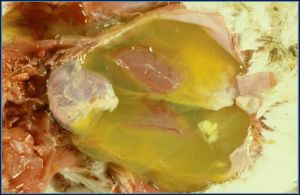 | Fig. 1- Collection of yellowish fluid in the coelomic cavity |
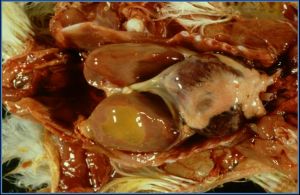 | Fig. 2- Liver showing shrunken appearance in the late stage of the syndrome. A collection of fluid in the pericardium is also visible |
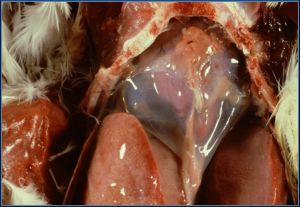 | Fig. 3- Collection of fluid in the pericardium. A portion of the liver with nutmeg appearance is visible |
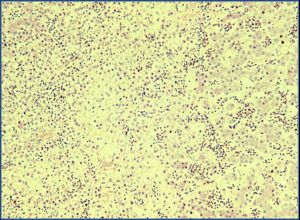 | Fig. 4- Necrosis of hepatocytes and dilatation of sinusoids. Hematoxylin and eosin staining. 10x |
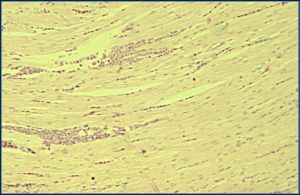 | Fig. 5- Heterophilic infiltration among myocardial fibers. Hematoxylin and eosin staining. 10x |